
St. Joseph Medical Center
CLINICAL SERVICES
Psychiatric Services 

Psychiatric Services

Hope is like a bird that senses the dawn and carefully starts to sing while it is still dark.

Anonymous

Few families in the U.S. are untouched by mental illness. According to studies reported by the U.S. Surgeon General, up to 30 percent of adults have either a mental or addictive disorder. Such disorders can have a profound impact on day-to-day activities, including the ability to go to work or school. Both the person affected as well as those close to him or her are often overwhelmed by the symptoms of the disorder.

Though each person who suffers through mental illness has unique needs, one thing is true for everyone: Recovery of mind, body and spirit is the key to rebuilding hope and confidence, and opening the door to the rest of your life.

As the first community-based hospital in Maryland to develop a psychiatric unit, and one of few acute care facilities in the Baltimore area with an inpatient program, St. Joseph Medical Center has long recognized the distinctive needs of patients who require mental health treatment.

Our goal is compassionate recovery for the whole patient – mind, body and spirit – in a multidisciplinary manner and through a unique, individualized continuum of care that is sensitive to a patient’s particular needs and level of treatment.

Through our inpatient, partial hospitalization, and intensive outpatient programs, St. Joseph is able to treat general psychiatric disorders as well as specializing in the treatment of patients with affective illnesses, including major depression and bipolar disorder.

And, patients and their families can rest assured that St. Joseph offers a safe, confidential, comfortable and easy-to-access setting, with some of the Baltimore area’s most experienced mental health experts.
 

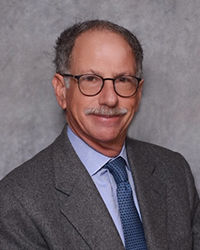
Harry A. Brandt, M.D. 
 

Harry A. Brandt, M.D.
Head, Department of Psychiatry
Distinguished Fellow, American Psychiatric Association
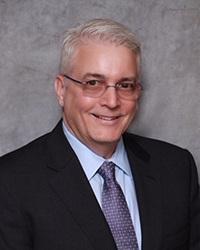
Steven F. Crawford, M.D. 
 

Steven F. Crawford, M.D.
Assistant Head, Department of Psychiatry
Distinguished Fellow, American Psychiatric Association


Individualized Recovery

No two patients with mental illness are alike, which means that treatment toward recovery must address the unique challenges of each individual.

St. Joseph understands this, which is why we create individualized recovery plans that are developed through consultation with patients and their families, as well as our multidisciplinary treatment team.

Additionally, our unique continuum of care places patients at a treatment level with which he or she is comfortable, allowing as much autonomy as possible while still maintaining safety. Transitions among care levels are smooth and uninterrupted, and patients remain with their assigned care providers throughout the entire continuum.

Recovery plans that are developed with psychiatrists and other members of a treatment team may include therapy and medications. Psychological or behavioral therapy at St. Joseph can play a significant role in recovery, helping patients to better understand and manage illness, emotions and behaviors. In addition, individual and group therapy at St. Joseph are designed to challenge patients to learn, think and to make changes in their lives. Medications are often an important and useful element toward recovery, helping to control symptoms of mental illness or even eliminate them.

The type of therapy and whether or not medication may be required depend on many things, including the particular type of illness and how he or she responds to specific treatment methods.

What does recovery at St. Joseph mean?

Recovery at St. Joseph is getting back to living, without feeling ashamed about mental illness.

In the past, having mental illness may have meant a lifetime of pain and shame. Today, recovery is possible and probable, especially through the help of experienced and compassionate professionals like those at St. Joseph who treat their patients with skill, dignity and respect.

Our patients are reaching milestones that may have seemed impossible before recovery. Many of them are talking about their experiences, sharing their stories to reduce stigma and to encourage others to pursue their own recovery.

Though recovery begins with small steps as patients rebuild their hope and confidence, progress does occur. Feelings of powerlessness are replaced with feelings of being in charge. Soon patients are setting and reaching their goals, and getting back to living.

Spiritual Caring

Psychiatric ServicesSt. Joseph has long maintained a belief in healing that is focused on the whole person. Our spiritual care services support that belief, which emphasizes compassionate caring and being with a patient throughout a crisis. When combined with a recovery program that includes therapeutic and/or medical interventions, both anecdotal and formal data throughout the psychiatric community strongly indicate that spiritual care has an overwhelmingly positive impact for patients with mental illness.

Spiritual caring at St. Joseph may be religious or non-religious, depending on a patient’s own spirituality, and may use meditation, prayer or other aspects to help patients develop a sense of meaning, purpose and hope. Patients have access to spiritual care services individually or through our daily spiritual care group.

Experience and Compassion

With more than 1,000 years of collective psychiatry experience, St. Joseph’s mental health professionals have unprecedented knowledge and understanding of mental illness in a setting where compassionate caring is a cornerstone of recovery. This exceptional combination of experience and compassion offers patients the best chance for successful and sustained outcomes.

Board-certified psychiatrists and specially trained psychiatric nurses work closely together and with other trained mental health specialists, including licensed clinical social workers, occupational therapists and more, to focus completely on the individual patient and his or her particular condition and needs.

In an age where depersonalization reigns, St. Joseph continues its singular commitment to loving service and compassionate care. For patients admitted to our psychiatric unit in particular, this offers a significant advantage toward recovery. Before anything, our patients are human beings.

Our Continuum of Care

Different levels of care exist in order that each patient receives the type of attention and treatment needed to recover. Patients often transition among the levels depending on the intensity of treatment required. Our hospital-based program includes the following levels:

  • Inpatient Unit - Our inpatient unit offers a spacious, safe, comforting and therapeutic environment with around-the-clock monitoring by trained psychiatrists, psychiatric nurses and other health support staff.
  • Partial Hospitalization - Day treatment programs are recommended when around-the-clock care is not necessary. Our partial hospitalization level is available seven days a week, from 8 a.m. to 4:30 p.m. During that time, patients participate in classes and group therapies to assist with transition into the community.

Intensive Outpatient

Patients for whom inpatient or partial hospitalization is not appropriate, or who have already been through these parts of our continuum, can benefit greatly from intensive outpatient therapy. This program serves as a transition for as long as necessary to encourage patients to move toward independence. The intensive outpatient program takes place seven days a week, between 8 a.m. and noon.

Throughout each part of our continuum, patients have access to the following services:

  • Medical consultation: Located in an acute care facility, psychiatric services at St. Joseph enable access to all aspects of medical care as needed during an inpatient stay.
  • Clergy: Patients are often comforted by the knowledge of St. Joseph’s faith-based mission. Through this mission, patients always have access to clergy, who are skilled at providing emotional and spiritual support.
  • Individual therapy: Patients meet with their psychiatrists daily to review their recovery progress. Individual therapy is provided by licensed clinical social workers weekly to assist in symptom management.
  • Family therapy: Patients and their families work with licensed clinical social workers to develop a supportive network outside of the hospital environment.
  • Occupational therapy: Through occupational therapy, patients are able to learn techniques for improving life skills and independent functioning.
  • Cognitive behavioral group therapy: Cognitive behavioral therapy is a useful tool in identifying unhealthy thoughts and behaviors. Patients are taught strategies to change these patterns of thinking and may also develop their own techniques for behavioral change.
  • “Motivation to change group therapy”: Patients assess their own readiness and willingness to change behaviors.
  • Medication management: Daily discussions between a patient and his or her psychiatrists occur to assess progress, review symptoms and adjust medication dosages, or to begin new medication to target specific symptoms.
  • Case management: Case management assists patients and their families with issues related to insurance, discharge planning, safe housing, follow-up treatment and other aspects related to treatment.

Recognizing the Warning Signs of Mental Illness

Most people think that mental illness is rare and happens to “someone else.” But, mental illness is far more common than that – major depressive disorder alone affects nearly 10 million American adults annually.

Some signs of mental illness are more subtle than others, but generally the most significant symptoms of some type of mental illness include:

  • confused thinking
  • prolonged depression (sadness or irritability)
  • feelings of extreme highs or lows
  • excessive fears, worries and anxieties
  • social withdrawal
  • dramatic changes in eating or sleeping habits
  • strong feelings of anger
  • growing inability to cope with daily problems and activities
  • denial of obvious problems
  • numerous unexplained physical ailments
  • substance abuse
  • delusions or hallucinations
  • suicidal thoughts

Diagnoses

St. Joseph treats the following diagnoses, as defined by the American Psychiatric Association’s Diagnostic and Statistical Manual (DSM) IV-TR:

  • Major Depressive Disorder
  • Bipolar Disorder
  • Anxiety Disorder
  • Schizo-affective Disorder
  • Schizophrenia
  • Dual diagnoses:
    Substance Abuse Disorder with coexisting psychiatric diagnoses

Easing the Way With the Psychiatric Consultation Liaison Service

Hospitalization for medical care may come at an unexpected time. Emotional crises may impact your medical recovery. Our goal at St. Joseph is to ease our patients’ and families’ experiences as much as possible. The psychiatric consultation liaison service is for patients admitted to St. Joseph’s medical units who may also need psychiatric help.

The service includes a psychiatrist and a clinical specialist in adult psychiatric and mental health nursing who serve as a resource within the specialty of psychiatry to patients, families and non-psychiatric staff.

Direct patient services include psychiatric assessment and intervention, consultation with staff in recovery planning, and facilitation and coordination of inpatient or outpatient referrals requiring a psychiatrist’s consultation as well as providing psychosocial support to families of patients.

Electro Convulsive Therapy

Electro Convulsive Therapy, or ECT, is a highly effective treatment for certain emotional disorders such as severe depression, mania and some types of schizophrenia. At St. Joseph Medical Center, ECT is performed under the direction of the department of Psychiatry in a highly controlled environment similar to an operating room. Patients are monitored closely to assure maximum safety and comfort. A psychiatrist with specialized training, along with an experienced anesthesiologist, administers the treatment with the assistance of our highly trained nursing staff. Based on patient need and ability, ECT may be administered for inpatients or outpatients.

Physicians can refer their patients for ECT by calling 410-337-1090. Our office will schedule an ECT evaluation, arrange for any pre-admission testing, obtain preauthorization from the patient’s insurance and schedule the treatment.

Referrals and Admission

Our patients may be self-referred or referred by a family member, friend, physician, employer, EAP, therapist, colleague, licensing board, community agency or other referral source.

To obtain an initial assessment, make an appointment during business hours. For referrals for psychiatric care, please call St. Joseph’s Doctors Directory at 410-337-1337.

If you are a physician who would like to refer a patient for ECT, please call 410-337-1090. If you would like to refer a patient for inpatient, PHP or IOP level of care, please call 410-337-1580. Emergency psychiatric services are also available through St. Joseph’s Emergency Department, where psychiatrists and psychiatric social workers are available daily from 8 a.m. to 11 p.m.

Patient Satisfaction

In a survey conducted among nationwide hospitals who are members of Catholic Health Initiatives, St. Joseph Medical Center is top in patient satisfaction for its psychiatric services.

  • I came in through the emergency room; the hospital wrapped its arms around me, and very gently put me in a safe place where I could heal both physically and spiritually.
  • Everything was done well, but classes on cognitive therapy were so clear, concise and gave me the tools and information I needed to put into practice every night and day.
  • St. Joseph respected individuality. But most of all, there was kindness. Kindness that heals broken hearts and kindness that strengthens.
  • Listening, not judging and kindness all made me feel better about my situation.
  • The support I received here restored hope to me.

Quotes included in this brochure were submitted on satisfaction surveys completed by patients for the Psychiatry department at St. Joseph Medical Center.

Social Worker Mark Taylor carefully considers each patient’s needs throughout the recovery process.

Grace Serafini, R.N., Nurse Manager, works to ensure that nursing care at St. Joseph is compassionate and that staff members are supportive of our patients.

Jane Giovanazi, Occupational Therapist, helps patients with day-to-day life skills.

Anthony Chico, D.O., Psychiatrist, specializes in mood and anxiety disorders.

Mohammad Haerian, M.D., M.P.H., Clinical Associate Professor of Psychiatry and Distinguished Fellow, American Psychiatric Association, is the clinical director at St. Joseph and specializes in the psychopharmacology of mood disorders.